
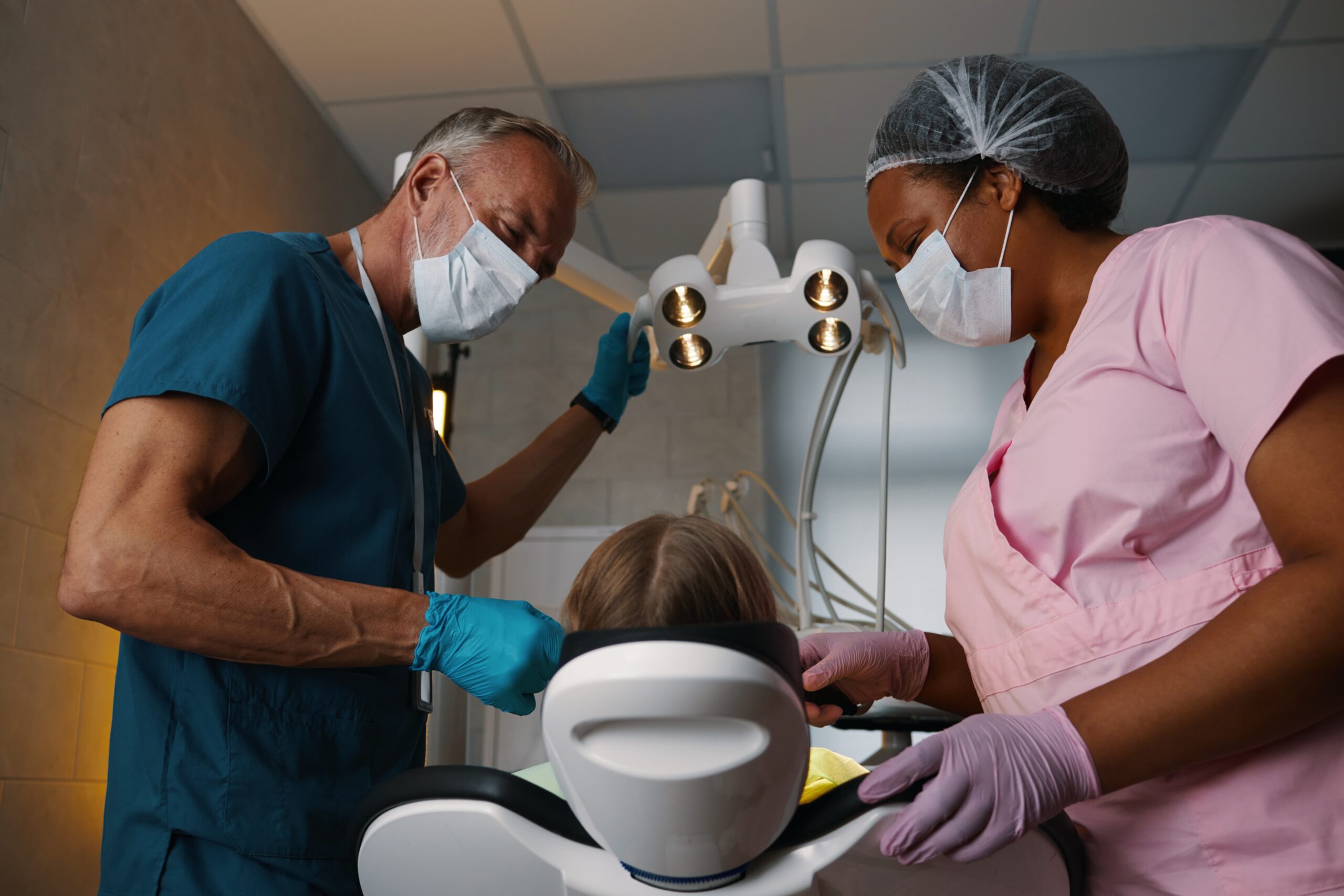
The standard advice is to visit the dentist every six months. You can use this as a starting point, but the optimal frequency for checkups and cleanings is highly personalized. Your dentist will help you develop a plan for how often you should visit, based on your dental health.
Understanding the Standard Recommendation: Every Six Months
The widely accepted advice is to schedule a dental checkup and professional cleaning twice per year, or every six months. Six months is typically enough time for plaque and tartar buildup to accumulate to a degree that requires professional removal, but it is not so long that minor issues, such as small cavities or the beginnings of gum disease, can progress into serious, painful, and expensive problems. Regular visits are the foundation of long-term oral health because they allow for consistent maintenance and early intervention, saving you discomfort and expense in the future.
Factors That Influence How Often You Should Visit
The first consideration for how often you should visit is your age. Children often need more frequent checkups to monitor development, track tooth eruption, and apply preventive treatments like fluoride or sealants. Seniors, especially those with complex medical histories, may also need closer monitoring due to dry mouth or medication side effects.
Your oral health also affects how often you should visit. If you have ongoing issues like gingivitis, advanced gum disease, or get cavities easily, your dentist may want to see you every three or four months to keep things under control. People with braces, dental implants, or certain medical treatments might also need a special schedule. Lifestyle choices matter too. Smoking, eating a lot of sugar, or having conditions like diabetes can make dental problems worse, so you may need to go more often.
What to Expect During a Routine Dental Visit
A standard visit with Samuel F Jirik, DDS, is divided into two key parts: the cleaning and the exam.
During cleaning, a dental hygienist will perform professional cleaning and plaque removal, meticulously removing hardened plaque (calculus) from above and below the gumline. Rregular at-home brushing and flossing alone can’t remove hardened plaque, which is why flossing and regular cleanups are important for.
The second part is the oral exam. We may use diagnostic tools, such as X-rays, based on your risk profile. Your dentist will screen for an array of potential issues, including cavities, gum recession, signs of oral cancer, and bite problems, using the X-ray images. Catching these problems early is crucial. A tiny, easily repairable cavity, for instance, can quickly become a painful root canal if ignored for too long.
Beyond the Routine: When to See Your Dentist Sooner
We strongly encourage you to schedule an appointment with Samuel F. Jirik, DDS, at the first sign of persistent pain, bleeding gums, swelling, or a chipped or knocked-out tooth. Timely care protects your long-term oral health and ensures you receive the highest level of treatment from a fully inclusive, expert‐led clinic.
At our office, you benefit from:
- Comprehensive treatment in one location: From full-arch dental implants to cosmetic crowns or veneers, all supported by an on-site lab for faster results.
- Advanced IV sedation options: Provided by two highly trained doctors, offering a level of comfort and convenience that many practices cannot match.
- Expertise in complex reconstruction: Eliminating the need to visit multiple specialists.
- Flexible financing: We offer options for transformative treatments that are typically not covered by insurance.
Delaying care can allow small problems to become major health concerns. Scheduling now ensures you receive prompt, comfortable, and specialised treatment designed to restore your health and your confidence as quickly and safely as possible.
Schedule Your Next Dental Checkup Today
How often should you visit the dentist? The answer is as often as your unique oral health requires. For most, this means every six months, but the best approach is to partner with your dental professional to determine your ideal frequency. Prioritising these routine appointments is an investment in your smile and your overall well-being. Do not wait for a problem to appear. Make an appointment today to keep your smile healthy for a lifetime.