
Missing teeth do more than change how you look. They can cause changes in your bones, gums, and nearby teeth, which can affect chewing, speech, facial shape, and overall oral health. These issues can happen at any age, whether you are a young adult working to rebuild your oral health or an older adult dealing with ongoing tooth loss. Family members are often involved in these decisions. If missing teeth are not replaced, bone can shrink, teeth may move, and your bite can become uneven. Treatments like implants, bridges, and dentures can help restore support, keep teeth in place, and improve long-term function.
Why Missing Teeth Are More Than a Cosmetic Issue
Missing teeth can throw off the balance in your mouth, changing how your other teeth line up and how your bite works. When teeth move, and gaps collect food and bacteria, you are more likely to have uneven wear, gum problems, and cavities. Trouble chewing and speaking clearly can also affect your nutrition and daily life. This is why it is important to address tooth loss early with help from a dental professional.
How Missing Teeth Cause Bone Loss in the Jaw
Your jawbone needs the pressure from chewing to stay strong and keep its shape. When you lose a tooth, the bone around it can start to shrink, which is called bone resorption. Over time, this can change the shape of your face, reduce support for your lips and cheeks, and affect how your other teeth work. Replacing teeth early helps keep your bone healthy, supports oral function, and makes future treatments like implants, bridges, or dentures more successful.
Teeth Shifting and Bite Problems Explained
When you lose a tooth, the teeth next to the gap can move into that space, which can make your bite uneven. This puts extra stress on your teeth and jaw, and can lead to wear, discomfort, or jaw joint problems. Crooked teeth are also harder to keep clean, raising the risk of cavities and gum disease. Replacing missing teeth early helps keep your bite working well and protects your oral health.
Increased Risk of Gum Disease and Tooth Decay
Gaps from missing teeth are harder to keep clean, so food and bacteria can build up along your gums. Over time, this can cause gum inflammation, cavities in nearby teeth, and even gum disease. Replacing missing teeth helps keep your gums healthier, lowers plaque buildup, and supports your oral health in the long run.
Speech and Chewing Difficulties Over Time
Teeth are important for clear speech and proper chewing. Missing teeth can change how your tongue moves and how your bite works, which can affect how you speak and chew. Gaps may make it harder to chew certain foods, so some people avoid harder foods and eat a more limited variety. Replacing missing teeth helps you chew better and speak more clearly, making daily life easier.
Facial Structure Changes From Tooth Loss
Losing teeth can cause your jawbone to shrink, which may make your face look sunken and reduce support for your facial muscles. These changes can affect how you feel about your appearance and your social life. Treatments to replace missing teeth help maintain your facial structure, supporting both your appearance and your overall well-being.
Why Early Tooth Replacement Matters
Replacing missing teeth as soon as possible helps keep your bone strong, your teeth in line, and lowers the risk of gum disease and cavities. Healthy bones and gums make it easier to receive treatments such as implants, bridges, or dentures. Seeing a dentist early and getting timely care supports your long-term oral health and leads to better results.
Treatment Options for Replacing Missing Teeth
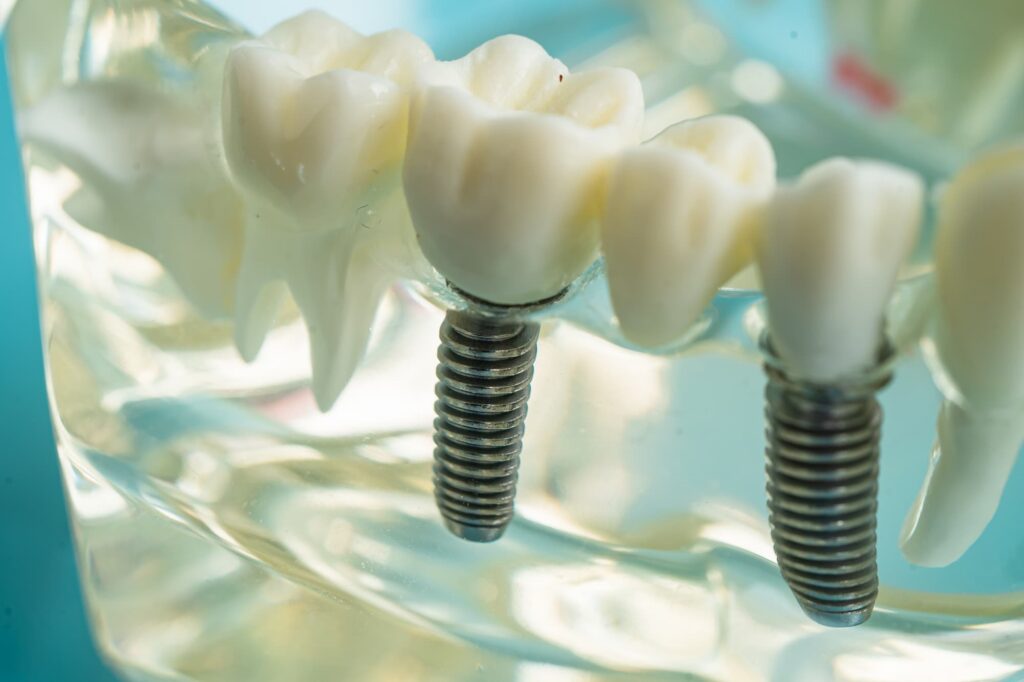
Dental implants are a long-lasting solution because they replace both the tooth and its root, helping keep your bone healthy. Bridges fill gaps by using nearby teeth or implants for support, and full or partial dentures are removable options for replacing several missing teeth. A dental professional can help you choose the best option for your needs to restore your oral health and function.
Discuss Restorative Options With a Dental Professional
Replacing missing teeth helps maintain overall oral stability, supporting bone levels, gum health, bite alignment, speech, chewing, and facial structure. Untreated gaps can lead to changes that compound over time, affecting both function and appearance. Early evaluation allows for a full range of restorative options, such as implants, bridges, or dentures, to be chosen to match the condition of the surrounding teeth and bone.
For those considering next steps, whether for themselves or a family member, a consultation provides clarity on available options, expected timelines, and long-term considerations. To discuss restorative care and treatment planning, contact Samuel F. Jirik, DDS, to schedule a consultation.
FAQ
What happens if you don’t replace missing teeth?
When missing teeth are not replaced, bone can shrink, nearby teeth may move into the gap, and your bite can become uneven. Over time this can affect chewing, speech, facial shape, and overall oral health. Treatments like implants, bridges, and dentures can help restore support, keep teeth in place, and improve long-term function.
How does losing a tooth cause bone loss in the jaw?
Your jawbone needs the pressure from chewing to stay strong and keep its shape. When you lose a tooth, the bone around it can start to shrink, which is called bone resorption. Replacing teeth early helps keep your bone healthy and makes future treatments like implants, bridges, or dentures more successful.
Can missing teeth change the shape of your face?
Yes. Losing teeth can cause your jawbone to shrink, which may make your face look sunken and reduce support for your facial muscles. Treatments to replace missing teeth help maintain your facial structure, supporting both your appearance and your overall well-being.
What are the treatment options for replacing missing teeth?
Dental implants are a long-lasting solution because they replace both the tooth and its root, helping keep your bone healthy. Bridges fill gaps by using nearby teeth or implants for support, and full or partial dentures are removable options for replacing several missing teeth. A dental professional can help you choose the best option for your needs.
Featured Image: sasirin pamai | Shutterstock